Check the structure first
Switching from a lighter roof to tile may need an engineering review. Tile weight and roof framing are evaluated before a tile system is proposed.
South Florida · Roofing systems
Concrete and clay tile roofing for South Florida homes: profiles, weight, underlayment and the code details that matter before you choose tile.
Talk through your roof ↗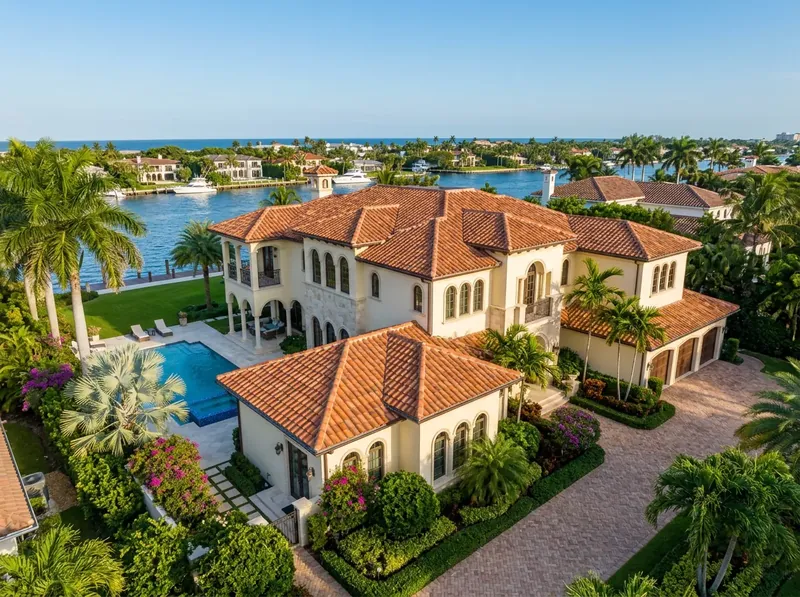
At a glance
Tile has defined South Florida neighborhoods for generations. Concrete and clay tiles stand up well to sun and heat, but the waterproofing actually happens underneath: the underlayment beneath the tile is what keeps water out, so its quality matters as much as the tile you see.
In South Florida
Switching from a lighter roof to tile may need an engineering review. Tile weight and roof framing are evaluated before a tile system is proposed.
Tiles are set with approved adhesive foam or mechanical fasteners, exactly as the Miami-Dade NOA or Florida Product Approval specifies for your wind zone.
A self-adhered underlayment and sealed roof deck act as the secondary water barrier required in the HVHZ. Ask which underlayment is specified and how it is approved.
Colors & finishes
Tile is available in many colors, blends and profiles, from terracotta barrel tile to flat slate-style concrete. Many South Florida communities specify approved tile colors, so check association rules early.
Service life depends on the specific product, installation, ventilation and exposure. Ask for written manufacturer and workmanship warranty terms.
You do not need every answer to get started. A few photos and your priorities are a useful beginning.
Create your project brief ↗Metal Roofing · Shingle Roofing · Flat Roofing · TPO Roofing